
Introduction to AI in Eye Care
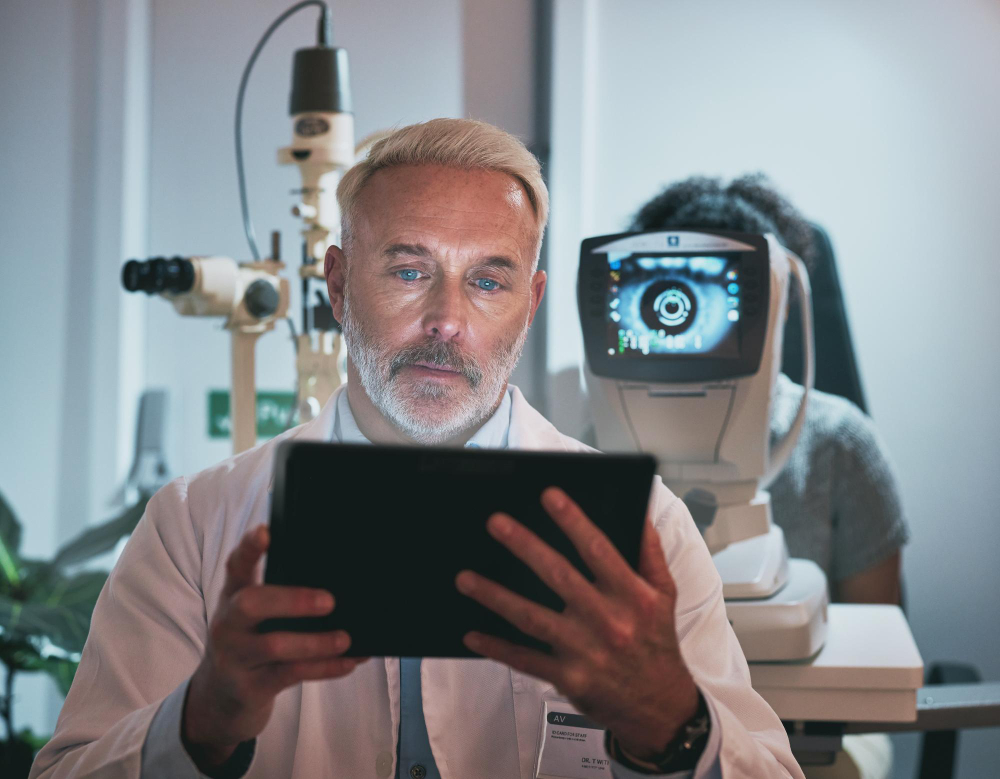
AI in eye care is changing how doctors find and treat vision problems. Artificial intelligence, or AI, means computers can learn from data and make smart choices. In eye care, AI helps doctors spot diseases early. This means people can get help before problems get worse. Many eye clinics now use AI tools to help with exams and tests. As a result, more people can get the care they need, even in busy cities or remote areas.
How AI Detects Eye Diseases Early
AI uses special computer programs to look at eye images. These programs can find tiny changes that may mean disease. For example, AI can scan photos of the back of your eye. It looks for signs of damage or swelling. Doctors use these tools to check for problems before you notice symptoms. Because AI works fast, it can help screen many people in a short time. This makes early detection of eye diseases with technology easier and more accurate.
Common Eye Diseases Detected by AI
AI in ophthalmology helps find several common eye diseases. Early detection can save sight. Some of the main diseases AI can detect include:
According to the World Health Organization (WHO), early treatment for these diseases can prevent blindness in many cases.
Benefits of Early Detection with AI
There are many benefits to using AI for early detection of eye diseases. For example, AI can help doctors find problems sooner. This means treatment can start early, which often leads to better results. In addition, AI makes eye care more accessible for people in rural or busy urban areas. Here are some key benefits:
Because AI can handle large numbers of images, it helps clinics serve more people. The Centers for Disease Control and Prevention (CDC) notes that early detection is key to saving vision.
Limitations and Challenges
Even though AI in eye care is helpful, there are still some challenges. For instance, AI tools need lots of good data to work well. Sometimes, these tools may not work as well for all groups of people. Also, doctors must check AI results to make sure they are correct. There are also ethical questions about privacy and data safety. Some challenges include:
Despite these barriers, experts believe AI will keep getting better as more data becomes available.
Future Outlook for AI in Eye Care
Looking ahead, AI in eye care will likely become even more common. As technology improves, AI will help doctors find more diseases even earlier. In the future, AI may help with more types of eye exams and treatments. Many experts think AI will make eye care safer and more affordable for everyone. As a result, more people can protect their vision and enjoy healthy eyes for life.
To sum up, AI in eye care is a powerful tool for early detection of eye diseases. It helps doctors find problems sooner and improves care for many people. Consult an eye care specialist at Paranjpe Eye Clinic and Surgery Centre to learn how AI-powered screening can benefit your vision health.